Understanding Dental Turbines and Cartridges A Comprehensive Guide
When it comes to modern dentistry, precision and efficiency are paramount. Among the essential tools that contribute significantly to achieving these goals are dental turbines and cartridges. These devices not only enhance the dentist’s ability to perform a wide range of procedures but also improve patient comfort and outcomes. In this article, we will delve into the various types, functions, maintenance, and advancements in dental turbines and cartridges, helping you gain a deeper understanding of these vital instruments.
The Importance of Dental Turbines
Dental turbines are handpieces that allow dentists to cut, grind, and polish teeth. They operate at high speeds, generating a rotation that is effective for various dental procedures such as cavity preparation, crown shaping, and tooth polishing. The design of these turbines has evolved over the years, improving their ergonomics, efficiency, and versatility.
Types of Dental Turbines
Dental turbines can be broadly categorized into air-driven and electric handpieces. Air-driven turbines are the most common, utilizing compressed air to spin the rotor at high speeds. These handpieces tend to be lighter and less expensive, making them popular among general dentists. On the other hand, electric turbines are gaining traction due to their consistent torque, reduced noise levels, and freedom from the limitations of air supply.
Air-Driven Turbines
Air-driven turbines are characterized by their fast rotational speeds — often exceeding 300,000 RPM (revolutions per minute). These turbines are powered by air compression systems and are typically used for high-speed procedures. Their lightweight nature enhances maneuverability, which is particularly advantageous in precision tasks like cavity preparations.
Electric Turbines
Electric turbines provide a more consistent performance than their air-driven counterparts. They can maintain higher torque at lower RPMs, making them ideal for tasks requiring greater control, such as crown preparations and other intricate procedures. Dentists who prefer electric turbines often cite lower noise levels and minimal vibration as key benefits, contributing to a more comfortable experience for both the practitioner and the patient.
Understanding Cartridges: The Heart of Turbine Functionality
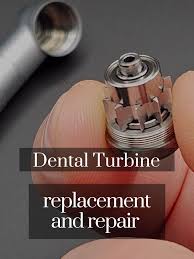
At the core of every dental turbine are cartridges. These components contain the rotor and bearings and are crucial for the handpiece’s operation. The right cartridge ensures optimal performance, longevity, and patient experience. There are several types of cartridges available, tailored for various handpieces and procedures.
Types of Cartridges
Cartridges can be classified based on their design and compatibility:
- Standard Cartridges: These are the most commonly used cartridges compatible with various brands and models of turbines.
- High-Speed Cartridges: Designed for use in high-performance turbines, these cartridges can handle the rigors of high-speed dental procedures.
- Low-Speed Cartridges: Tailored for lower speed applications, these cartridges are often used for polishing and finishing work.
- Customized Cartridges: Some manufacturers offer specialized cartridges that cater to unique needs, allowing for better performance in specific areas of dentistry.
Maintenance Tips for Dental Turbines and Cartridges
Proper maintenance is essential to extend the life of dental turbines and cartridges. Here are some helpful tips to ensure optimal performance:
- Regular Cleaning: After each use, it’s crucial to clean the turbines and cartridges according to the manufacturer’s instructions. This helps prevent the buildup of debris and biological material.
- Lubrication: Regular lubrication prevents wear and tear on the moving parts. Ensure that you use the appropriate lubricant specified for the specific turbine model you own.
- Storage: Store unused turbines and cartridges in a clean, dry place. Avoid excessive moisture and direct sunlight, which can damage the components.
- Periodic Inspection: Regularly inspect your turbines and cartridges for signs of wear or damage. Early detection can prevent costly repairs and downtime.
Advancements in Dental Technology
As technology continues to evolve, so does the design and functionality of dental turbines and cartridges. Innovations like LED lighting integrated into handpieces improve visibility during procedures. Additionally, advancements in materials science have led to more durable components, minimizing the frequency of replacements due to wear.
Furthermore, improvements in ergonomic design have also emerged, ensuring the comfort of dentists during long hours of practice. This not only enhances the efficiency of procedures but also contributes to better health outcomes for dental professionals, reducing the risk of repetitive strain injuries.
Choosing the Right Dental Turbines and Cartridges
Selecting the right turbine and cartridge is vital for any dental practice. It’s essential to consider the types of procedures you perform regularly, your budget, and the compatibility of the devices with your existing equipment. Each practitioner may have unique requirements based on their specialization, patient demographics, and workflow patterns.
Consulting with vendors and manufacturers can provide valuable insights into the best options suited for your needs. Additionally, reading reviews and seeking recommendations from fellow dental professionals can guide your purchasing decisions.
Conclusion
Dental turbines and cartridges are fundamental components in modern dentistry, impacting everything from efficiency to patient comfort. As technology advances, understanding these tools and their maintenance will empower dental practitioners to deliver exceptional care. By staying informed about the latest trends and innovations, dentists can enhance their practice and continue to improve patient outcomes.